
Every kitchen must prioritize oven safety since it is crucial to cook meals. Ovens can experience problems over time, from inconsistent heating to total breakdowns, just like any other equipment. Even if your oven seems to cook food correctly, utilizing malfunctioning equipment might be dangerous. In many cases, scheduling a professional oven repair can help identify hidden problems before they become serious safety hazards. PRN Appliance Repair assist homeowners in identifying warning indicators, comprehending possible risks, and taking the appropriate action to guarantee total oven safety and a worry-free kitchen.
Signs Your Oven Is Malfunctioning:
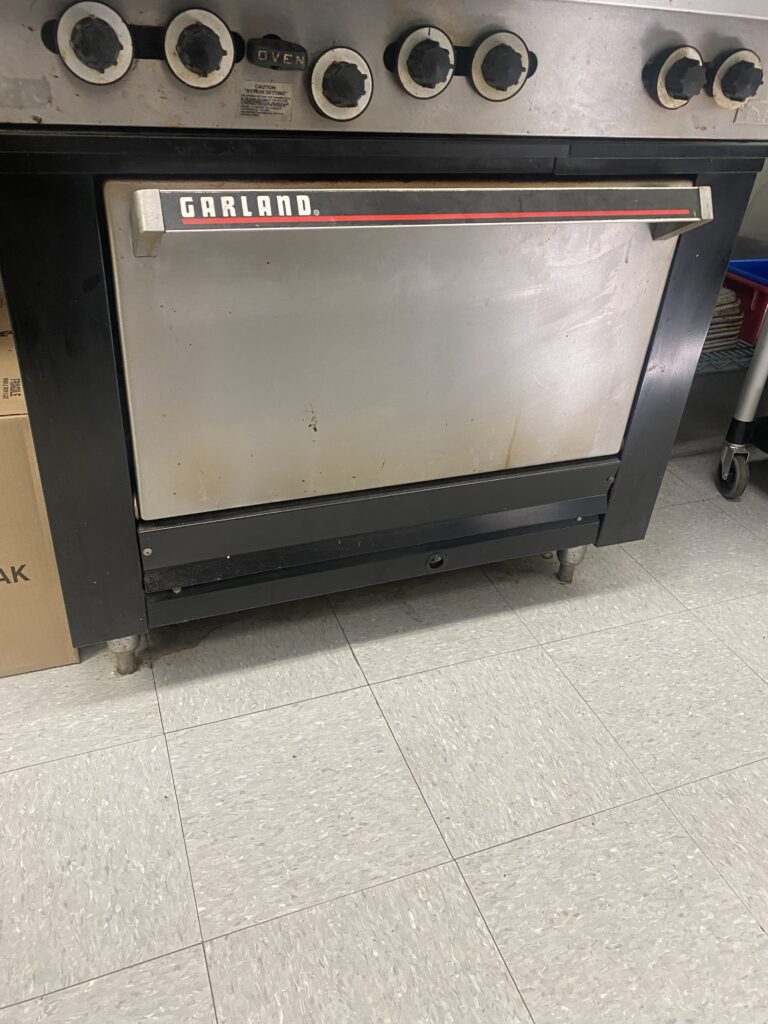
It’s critical to identify warning indicators before determining whether to keep using an oven. Uneven heating, not reaching the proper temperature, strange noises, sparks, or a burning smell are common problems. Faulty wiring or broken heating components are warning signs in electric ovens. Gas ovens may exhibit irregular flames, problems with ignition, or gas odors. These indicators show that the oven needs to be inspected or repaired because it is not operating safely.
Dangers of Using a Malfunctioning Oven:
It can be dangerous to use an oven that isn’t working properly. While gas leaks in gas ovens provide a serious risk of explosion or poisoning, electrical issues can result in short circuits or even fires. Food safety can be impacted by even little issues, including uneven heating, which can result in improper cooking and infections caused by food contamination.
Why Professional Inspection Is Essential:
A professional check is crucial if your oven exhibits symptoms of malfunction. A certified appliance repair specialist can identify gas or electrical issues, swap out damaged components, and make sure the oven meets safety regulations. Without the necessary understanding, attempting to do-it-yourself repairs may worsen the issue or raise the danger of injury. Additionally, experts guarantee that your oven runs effectively, cutting down on energy waste and eliminating frequent problems.
Temporary Precautions Before Repair:
There are several short-term safety measures you can take to reduce danger while you wait for expert assistance. Never leave the oven unattended while it’s in operation, and avoid using it for long cooking times. Make sure the plugs and cords for electric ovens are undamaged and in good shape. If you smell gas coming from a gas oven, stop using it right away and make sure the space is well-ventilated. While waiting for repairs, these actions assist in lessening potential risks.
Energy Efficiency & Longevity Concerns:
When an oven isn’t working properly, it uses more gas or electricity to get the right temperature, making it less energy-efficient. Constant use might put stress on internal parts and reduce the appliance’s lifespan. In addition to ensuring safety, rapidly fixing problems enhances performance and energy efficiency, ultimately saving money.
Repair vs. Replacement:
Oven problems can occasionally be small and readily fixed by changing out heating elements, thermostats, or ignition parts. However, replacing the appliance might be a safer and more economical choice if it is older, frequently breaks down, or has several safety problems. Improved safety features, energy economy, and accurate temperature control are common features of modern ovens. Safety and value are guaranteed when repair expenses are compared against replacement costs.
Tips for Preventing Oven Malfunctions:
Your oven’s lifespan can be increased, and the likelihood of faults can be decreased with preventive care. Grease buildup, which can interfere with heating elements or start fires, is prevented by routine cleaning. Examining gas lines, wires, and plugs for wear aids in the early detection of possible risks. The appliance is kept in maximum operating condition by following the manufacturer’s usage instructions, avoiding overloading the oven, and carrying out regular, skilled maintenance.
Conclusion:
Until a professional inspection or repair is finished, using a malfunctioning oven is dangerous and should be avoided. Electrical hazards, gas leaks, inconsistent cooking, and even possible fires are among the risks. Homeowners may maintain the safety and functionality of their kitchens by identifying warning indicators, taking short-term safety measures, and spending money on expert repair or replacement. Your house, your health, and the longevity of your appliance are all protected by prompt care for oven problems. For professional oven inspection, repair, and replacement services, get in touch with PRN Appliance Repair right now.
FAQs
1. Is it possible for a little oven to catch fire?
Yes, if the oven is utilized while malfunctioning, even small electrical problems or grease buildup can result in a fire.
2. Is it safe to keep using an oven that only produces uneven heating?
Food safety may be jeopardized by uneven heating, which may also be a sign of underlying mechanical or electrical issues. It is advised to get repairs done by professionals.
3. How can I tell if there is a leak in my gas oven?
A gas leak might be detected by uneven flames, hissing noises, or the smell of gas. Call a professional and stop using the oven right away.
4. Can I try fixing a broken oven myself?
Do-it-yourself fixes are dangerous and could make things worse. For repairs, always use a qualified specialist, particularly when dealing with gas or electrical problems.