
Introduction
For effective garbage disposal maintenance, avoid putting large food items and non-food items inside it. Avoid overloading the system and always run it on cold water. To maximize its lifespan, clean and deodorize the disposal regularly and deep clean, including the splash guard, at least once a month. Seek professional help if you detect any leaks, clogs, or unusual sounds. A well-maintained system contributes to a more hygienic home and sustainable waste management.
The Homeowner’s Guide to Long-Lasting Garbage Disposal Care
Are you worried because of the faint, foul odor slowly creeping into your kitchen? Do you, like many busy home cooks, treat your garbage disposal like a magic black hole, tossing everything, from potato peels to coffee grounds, down the drain? Regular garbage disposal maintenance is essential to prevent costly plumbing visits. A well-maintained system reduces kitchen odors and pests and creates a cleaner, eco-friendly environment.
| Did you know?Food scraps make up 10 to 20% of US household waste. About 50% of homes have garbage disposals, diverting food waste from landfills through their sink. |
Here is your guide to understanding how to extend your garbage disposal’s life.
- Avoid Putting Large food Items
Feed small food scraps gradually. Your disposal is meant for small leftover food particles. To avoid motor strains and prevent jams, cut larger food items into smaller bits before draining them away.
- Never Put Non-Food Items
Things you should never put in your garbage disposal include oils, fats, grease, peels, fibrous or starchy foods like onion peels or rice and pasta. Hard items like bones can dull the impellers while fine materials like coffee grounds and egg shells can clog your system, forming a sludge. Non-food items such as paper, plastic or rubber do not belong in the garbage disposal.
- Avoid Overloading the System
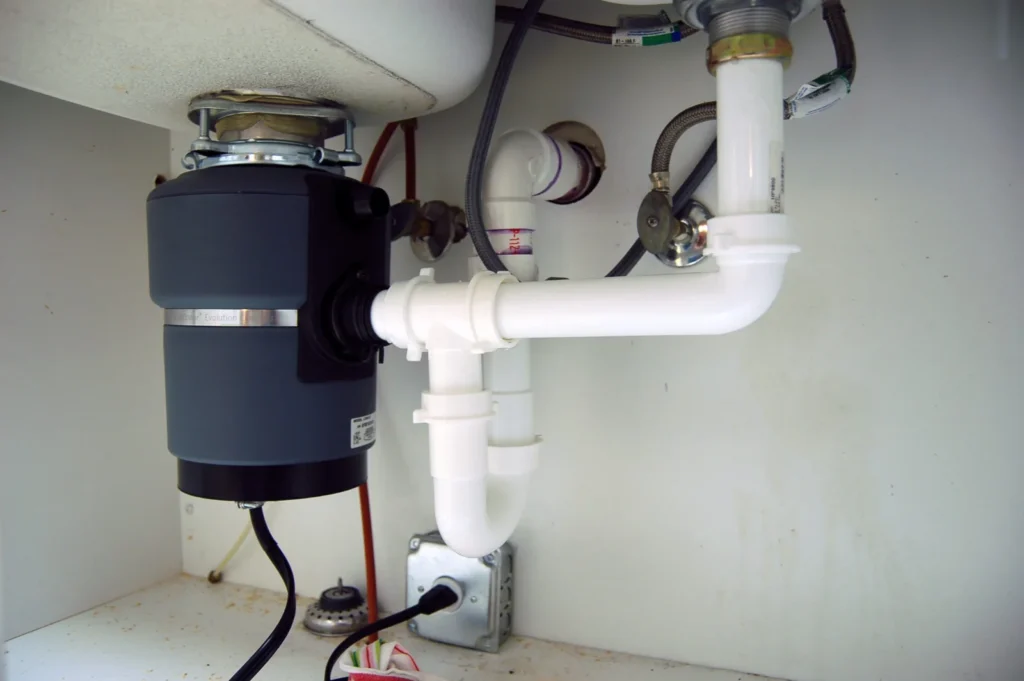
Avoid overloading the system to prevent breakdown or damage due to motor strain. Never put your hand inside if it’s stuck. Use tongs to unstuck and remove the item.
| Fast FactThe integration of bio-grinding technology allows for 32% greater waste breakdown, reducing organic waste volume entering landfills. |
- Always Run on Cold Water
Always run it on cold water to allow for the grease buildup to solidify for effective removal. Even if you don’t have any food waste, run the garbage disposal on cold water periodically to prevent rust and corrosion of the system.
- Use the Sharpening Trick
Drop a few ice cubes and a tablespoon of coarse salt periodically inside before running the system. They will together scour the walls, clean the system and help sharpen the blunt impellers.
| Important factThe zero-waste kitchen design incorporates built-in compost bins, food scrap collection systems, and integrated recycling stations, making kitchen waste separation and disposal effortless. |
- Weekly Scrubbing and Deodorizing
Pour half a cup of baking soda into the drain. Let it sit for a while, followed by a full cup of white vinegar. The frizzing reaction will neutralize odors and break down any stuck food items. Flush with cold water afterwards.
- Monthly Deep Clean
The rubber splash guard can trap the food residues and odors. Use an old toothbrush to lift and scrub the gunk from the underside of the rubber splash guard. Use warm, soapy water for thorough cleaning.
- Seek Professional Help in Detecting Unusual Signs
If you notice any unusual sound, such as humming or clanking, this may indicate a motor jam and require immediate professional attention. Likewise, leaks or persistent clogs also need to be addressed right away to prevent costly repairs and ensure optimal performance of your system.
Conclusion
Regular garbage disposal maintenance is essential for the system’s efficiency and lifespan. To prevent clogs, foul kitchen odors, and costly repairs, regularly care for and clean your system. A professionally installed garbage disposal system offers environmental benefits such as diverting waste from landfills, promotes kitchen hygiene and results in a cleaner, eco-friendly environment.
FAQs
What is the lifespan of my garbage disposal?
The average lifespan of a garbage disposal is between 8 to 16 years, depending on the frequency of use.
Do stainless steel garbage disposals last longer?
Yes, stainless steel models with high-powered motors last longer than the average garbage cleaners.
Why is garbage disposal important?
Garbage disposal breaks down food scraps, preventing buildup and clogs. Less pressure in pipes means efficient plumbing and fewer costly repairs.